
This autumn, four energy students from the University of Bergen (UiB) are doing their work placement at Terravera. Their placement consists of two projects: one on comparing green transportation alternatives and the other on the effects of insulation in old buildings. Emil Eggum Talleraas, Emil Johan Anker, Lilli Margaret Gulbrandsen, and Ingrid Becker-Eriksen share what it has been like to work at Terravera.
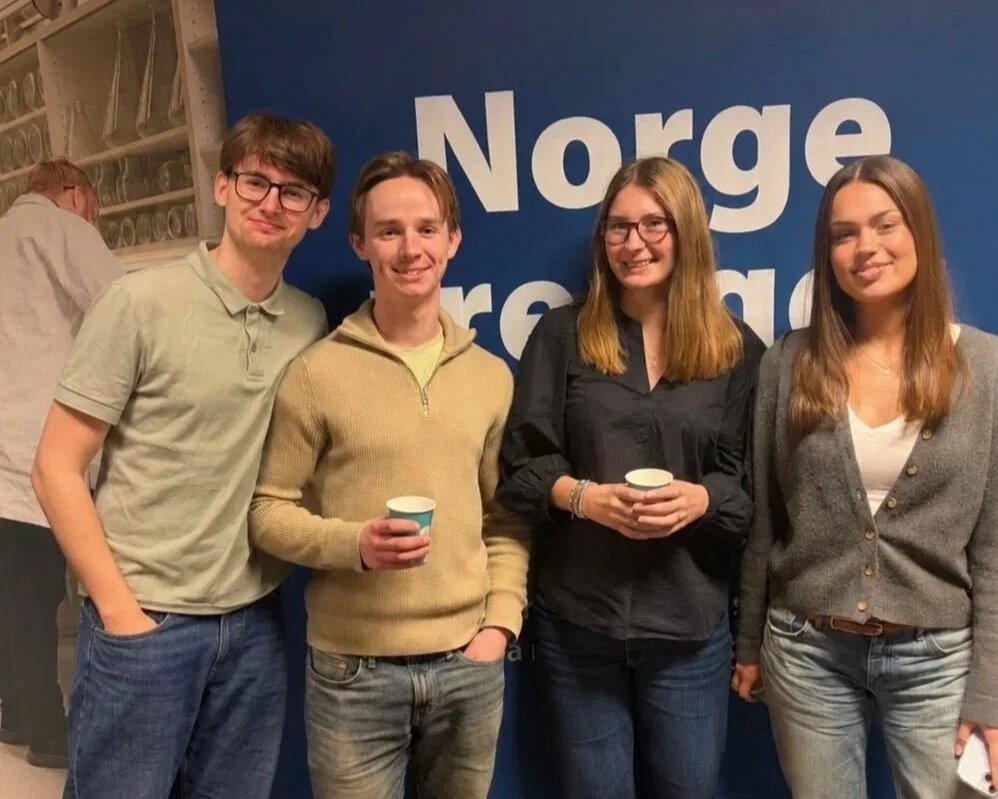
From left: Emil Eggum Talleraas, Emil Johan Anker, Lilli Margaret Gulbrandsen and Ingrid Becker-Eriksen.
Modelling on real-life scenarios
The students work in pairs. Lilli Margaret Gulbrandsen and Emil Johan Anker compare the greenhouse gas emissions of e-scooters and electric buses from production and use to the end of life. Ingrid Becker-Eriksen and Emil Eggum Talleraas are modelling how adding insulation affects energy use and greenhouse gas emissions in older housing cooperatives in a project for Fana Sparebank.
Both projects follow the same structure as Terravera's client work: data collection, modelling, and a written report that turns the results into decision support.
Building on what they learned at UiB
All four students, who study master's in energy at UiB, point to their LCA course ENERGI102 as the most useful preparation.
“We learned life cycle assessment as a method, which has been highly relevant to the modelling work at Terravera,” says Talleraas.
Becker-Eriksen agrees.
“It gave me some relevant background when we started looking at greenhouse gas emissions and costs.”
Learning a new modelling platform
The modelling is done in Terraportal, Terravera's in-house platform, where value chains are modelled digitally so that different scenarios can be simulated and compared. For students used to standard LCA software, it took some adjustment.
“It's a bit like driving someone else's car. You know how it works, but it feels unfamiliar,” says Anker.
Talleraas points to Terravera's earlier projects as a valuable resource for understanding how the work is done in practice. These include the modelling of optical delousing for Stingray Marine Solutions and of end-of-life scenarios for Renas.
For Becker-Eriksen, the placement has also shown how much goes into each assessment, from the first data collection to the final report.
A flexible, digital way of working
The placement has been fully digital. The group meets once or twice a week across both projects and divides the remaining work between them.
“Being digital makes the work incredibly flexible and easy to fit around my timetable,” says Talleraas.
Open collaboration with academia
Terravera collaborates openly with research communities and academia, giving the foundation access to the latest research and to high-quality student work. For the students, the placement offers hands-on experience with the kind of modelling organisations use to document the effect of their sustainability decisions.
For Anker, the experience has sharpened his sense of direction.
“I can definitely see myself working on something that makes things more sustainable. I was already interested, but the placement has made that interest even stronger,” says Anker.
Supervised by Tobias
The students are supervised by Tobias Torjussen Osgjelten, a modeller at Terravera and MSc student in Financial Economics at the Norwegian School of Economics (NHH).
"It’s easy to deliver a report that gets read once, but it’s both harder and far more valuable to create a model that companies can continue to build on themselves—and that others can eventually use as well." says Osgjelten.
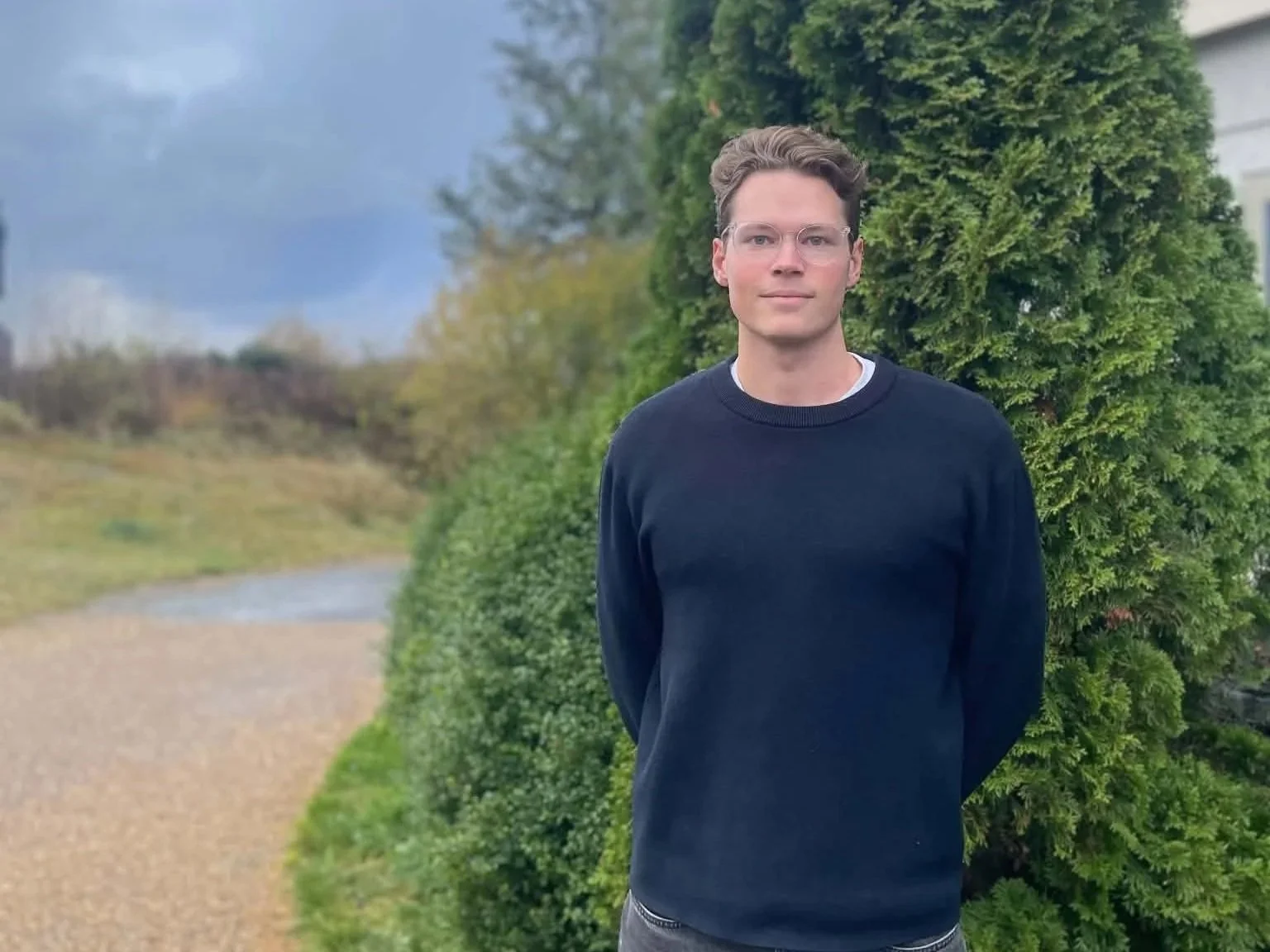
Tobias Torjussen Osgjelten is supervising the UiB students through their work placement.
