Stingray Marine Solutions
Reducing CO₂ Emissions and Biological Impact in Salmon Farming Through Optical Delousing
Case
Stingray Marine Solutions partnered with the Terravera Foundation to model a counterfactual transition in sea lice management from reactive wellboat-based treatment to continuous in-pen optical delousing.
The modelling indicates that reducing reliance on reactive delousing operations by up to 50% can simultaneously reduce vessel-based emissions, handling-related fish mortality, and ecosystem pressure driven by current treatment pathways.
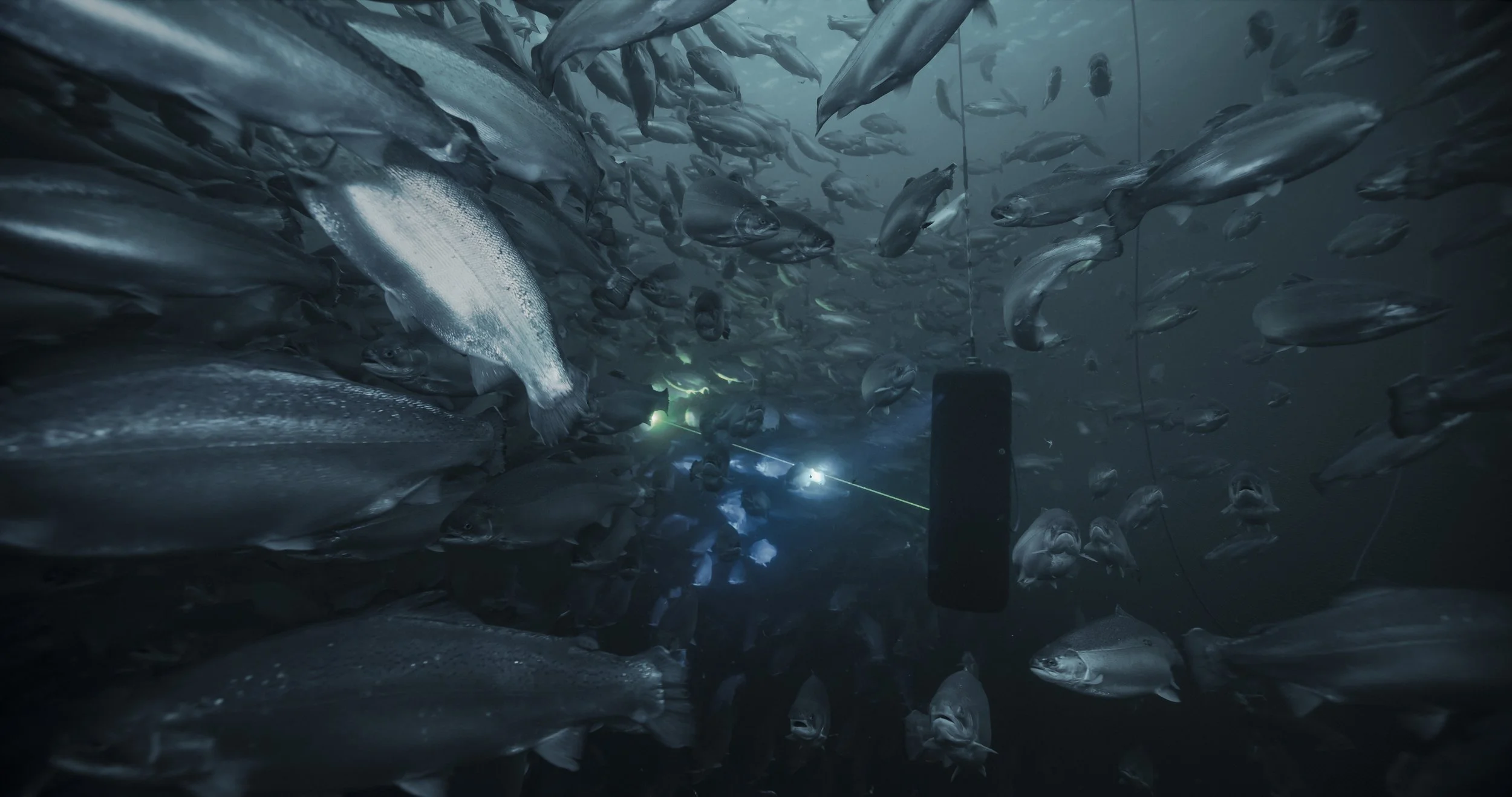
Stingray’s In-Pen Laser Delousing Technology
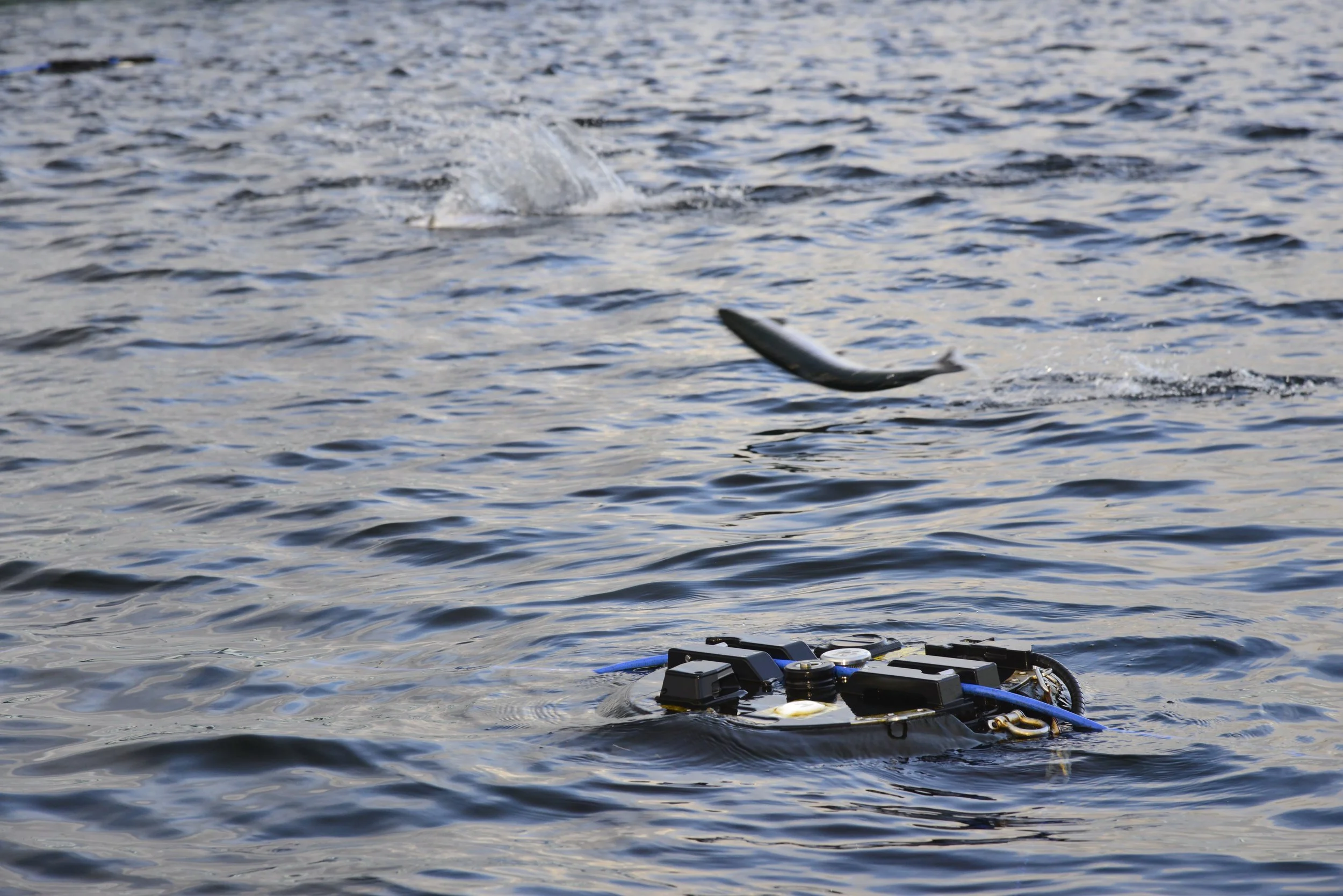
Stingray delivers optical laser systems for continuous sea lice removal directly within salmon pens, shifting treatment from reactive vessel-based interventions to on-site, non-contact and presentive control. The objective is to reduce reliance on wellboat operations while addressing both emissions and animal welfare challenges associated with conventional delousing methods.
What was data modelled
Terravera’s modelling compares current reactive delousing operations with continuous in-pen optical treatment by quantifying how changes in treatment frequency, handling intensity, and system dependencies affect four system-level impact areas:
CO₂ emissions from vessel-based wellboat operations
Mortality in farmed salmon and rainbow trout
Mortality and welfare impact in cleaner fish
Ecosystem effects including disease transfer, genetic interaction, and escape-related risk to wild populations
The model isolates how changes in treatment strategy reshape system-wide outcomes across these four dimensions.

What we modelled
Terravera built structured comparison models that simulate how operational choices in sea lice management propagate through the full salmon farming system into environmental and biological outcomes.
How Reactive Sea Lice Delousing in Salmon Farming Drives CO₂ Emissions and Fish Mortality
Sea lice management is a primary driver of operational interventions in salmon farming and triggers a cascade of environmental and biological effects.
Current practice is reactive. When lice thresholds are exceeded, fish are crowded in the cage, pumped onto wellboats, treated using thermal, mechanical, or medicinal methods, and returned to sea cages.
This creates a coupled system effect:
high fuel use from vessel operations
repeated handling stress on fish
elevated mortality risk in salmon and rainbow trout
dependence on biological mitigation tools such as cleaner fish
increased risk of escape and disease transfer during crowding operations
Wellboat activity increased by 67% between 2017 and 2021, reflecting growing system dependence on reactive intervention.
Continuous Optical Delousing Technology as an Alternative to Wellboat-Based Sea Lice Treatment
Stingray’s optical farmed fish delousing system uses machine vision, real-time detection, and laser-based removal to eliminate sea lice directly inside salmon pens.
This replaces episodic, vessel-based intervention with continuous in-pen control that operates throughout the production cycle.
By removing the need for crowding and transport, the system reduces both treatment frequency and handling intensity, which are the primary drivers of downstream biological and environmental effects in the current system.
System-Level Results: CO₂ Emissions, Salmon Mortality, Cleaner Fish Impact and Ecosystem Risk
Terravera’s modelling compares current reactive delousing operations with continuous in-pen optical treatment by quantifying how changes in treatment frequency, handling intensity, and system dependencies affect four system-level impact areas:
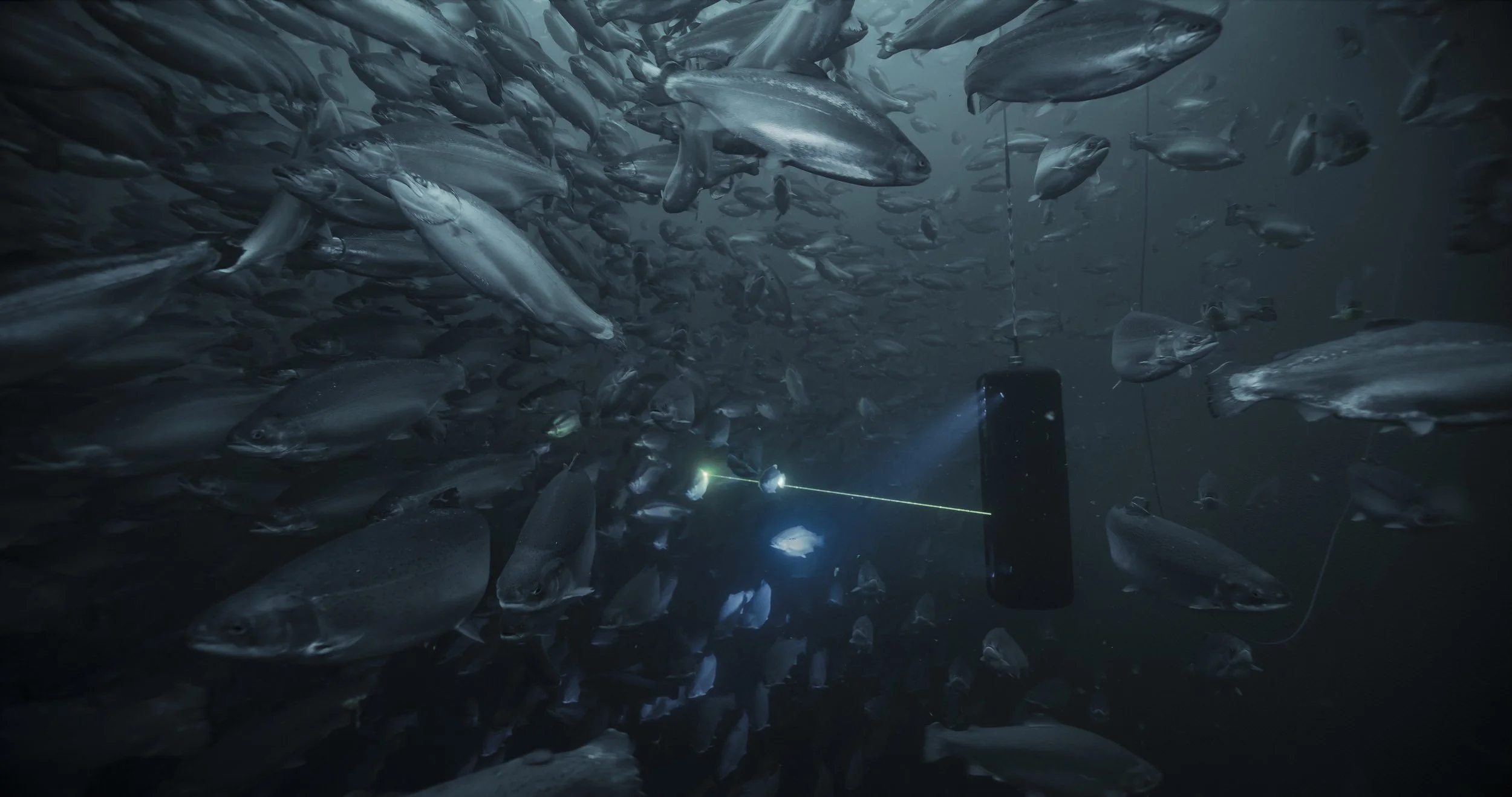
Terravera modelled emissions from wellboat-based delousing operations. Result: a 50% reduction in treatment frequency leads to approximately 106,000 tonnes of CO₂ avoided (medium-case).
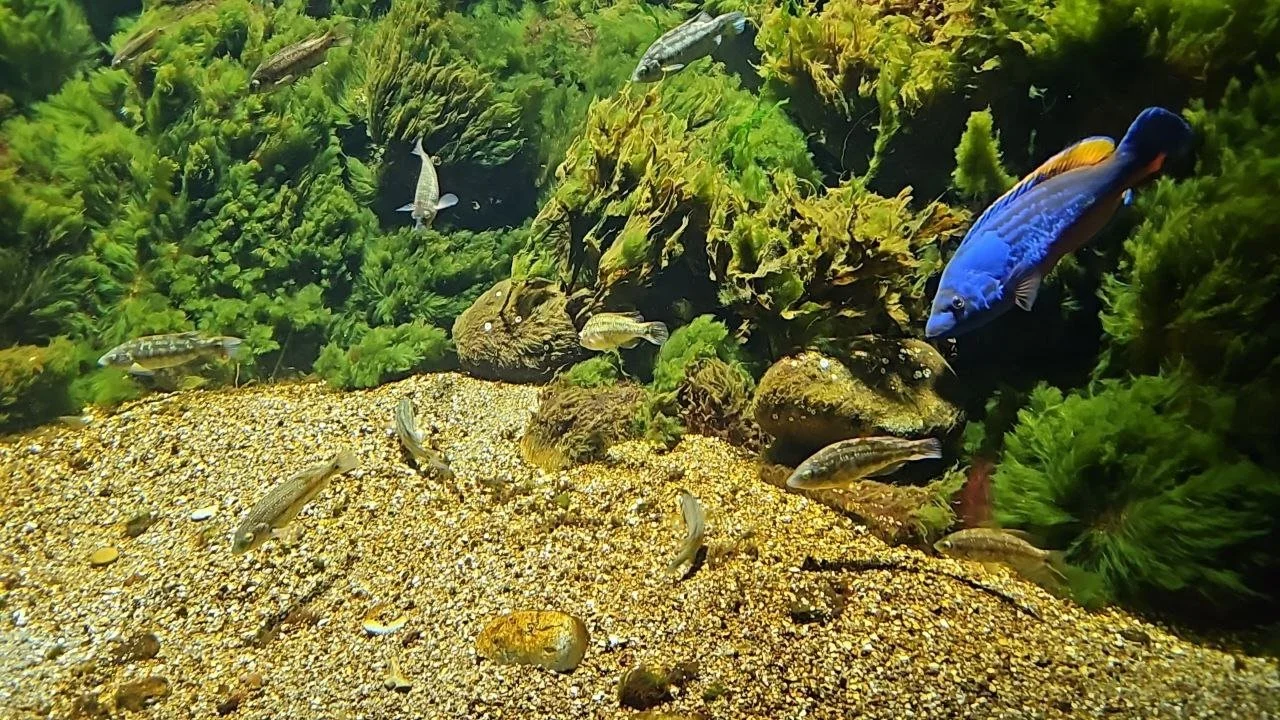
Terravera modelled cleaner fish use in conventional sea lice control systems. Result: reduced reliance on biological delousing lowers mortality and welfare pressure (medium-case).
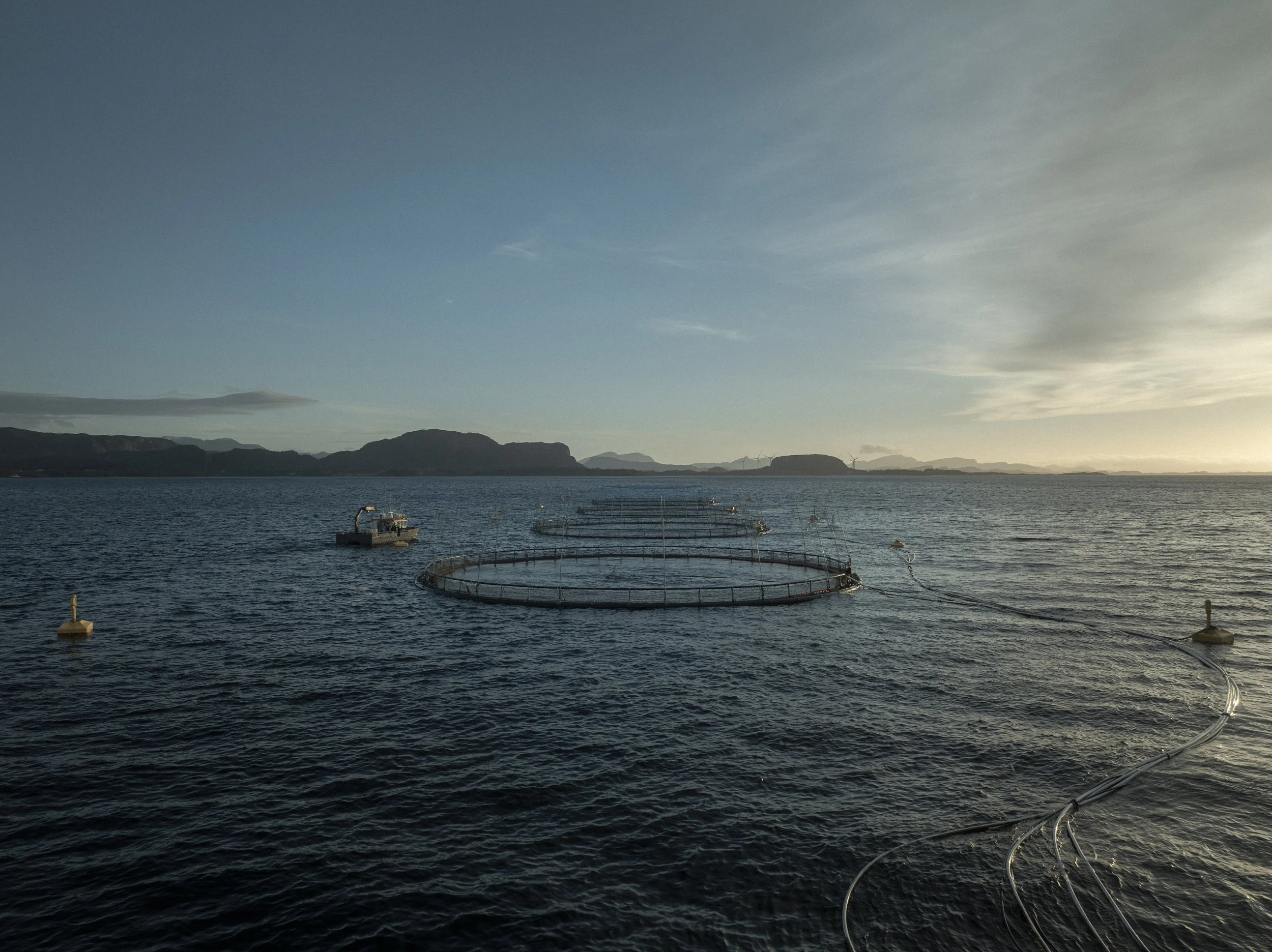
Mortality in farmed salmon and rainbow trout
Terravera modelled mortality from repeated crowding, pumping, and thermal or mechanical delousing. Result: Reduced treatment frequency lowers handling-related mortality pressure (medium-case).
Aquaculture ecosystem impacts
Terravera modelled ecosystem impacts from reactive delousing operations. Result: reduced treatment frequency lowers disease, escape, and genetic interaction risks (medium-case).
Integrated Impact of Reactive Delousing Operations in Salmon Farming Systems
Terravera’s model shows that treatment frequency and handling intensity are the main drivers of system-level impact in salmon farming systems.
Across all four system-level impact areas, reduced reliance on reactive delousing operations produces linked effects:
lower CO₂ emissions from wellboat-based delousing operations
lower mortality in farmed salmon and rainbow trout
lower mortality and welfare impact in cleaner fish
lower ecosystem effects including disease transfer, genetic interaction, and escape-related risk to wild populations
This confirms reactive delousing operations as a system-level driver of environmental and biological impact in salmon farming systems.
Continuous Optical Delousing Reduces CO₂ Emissions, Fish Mortality, and Ecosystem Impact in Salmon Farming
Reactive delousing operations are a primary system-level driver of CO₂ emissions from wellboat-based delousing operations, mortality in farmed salmon and rainbow trout, mortality and welfare impact in cleaner fish, and ecosystem effects in salmon farming systems.
Reducing reliance on reactive delousing operations through continuous in-pen optical delousing reduces treatment frequency and handling intensity, lowering system-level impact across all four system-level impact areas.
Meet the data modelling team

MSc in Business Administration, NTNU

MSc in Energy and Environmental Engineering, NTNU

Oskar Moe, Sustainability Modeler
MSc Industrial Economics and Technology Management, NTNU