
From E-Waste to resource intelligence: RENAS partners with Terravera
What happens to the valuable resources behind the electronics we use every day? RENAS is working with Terravera to better understand the environmental impact of raw material extraction, recycling and extending product lifespans, and how this knowledge can support better decisions across the electronics value chain.
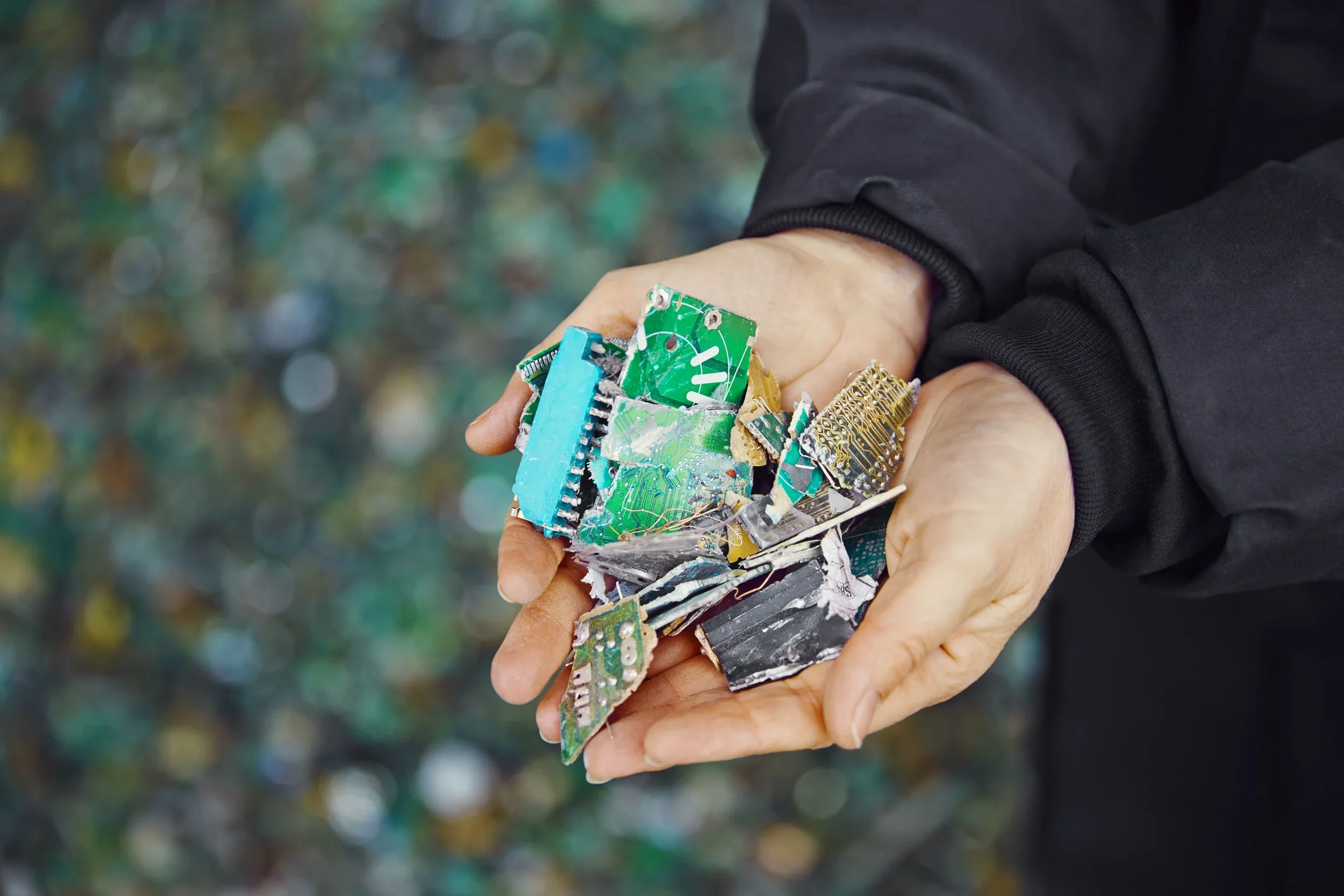
Critical raw materials sit in every circuit board. Mapping their footprint is where better questions begin. Photo: RENAS
RENAS is Norway’s leading Producer Responsibility Organisation (PRO), specializing in electrical and electronic equipment (EEE) and batteries.
With nearly 2,500 members, RENAS is committed to helping its members shift from merely managing waste to recycling, reuse and recover materials in producing new products. Photo: RENAS
Understanding the true value of resources
RENAS engaged Terravera to help close an important knowledge gap: understanding the wider environmental impact of the metals and minerals used in electronics, including their effects on climate, freshwater, land use and resource availability.
As Norway's leading non-profit Producer Responsibility Organisation (PRO) for electrical and electronic equipment and batteries, RENAS wants to move beyond managing waste towards better understanding and preserving the resources within it.
The ambition is to use this knowledge to identify where recycling, repair and reuse can deliver the greatest positive impact.
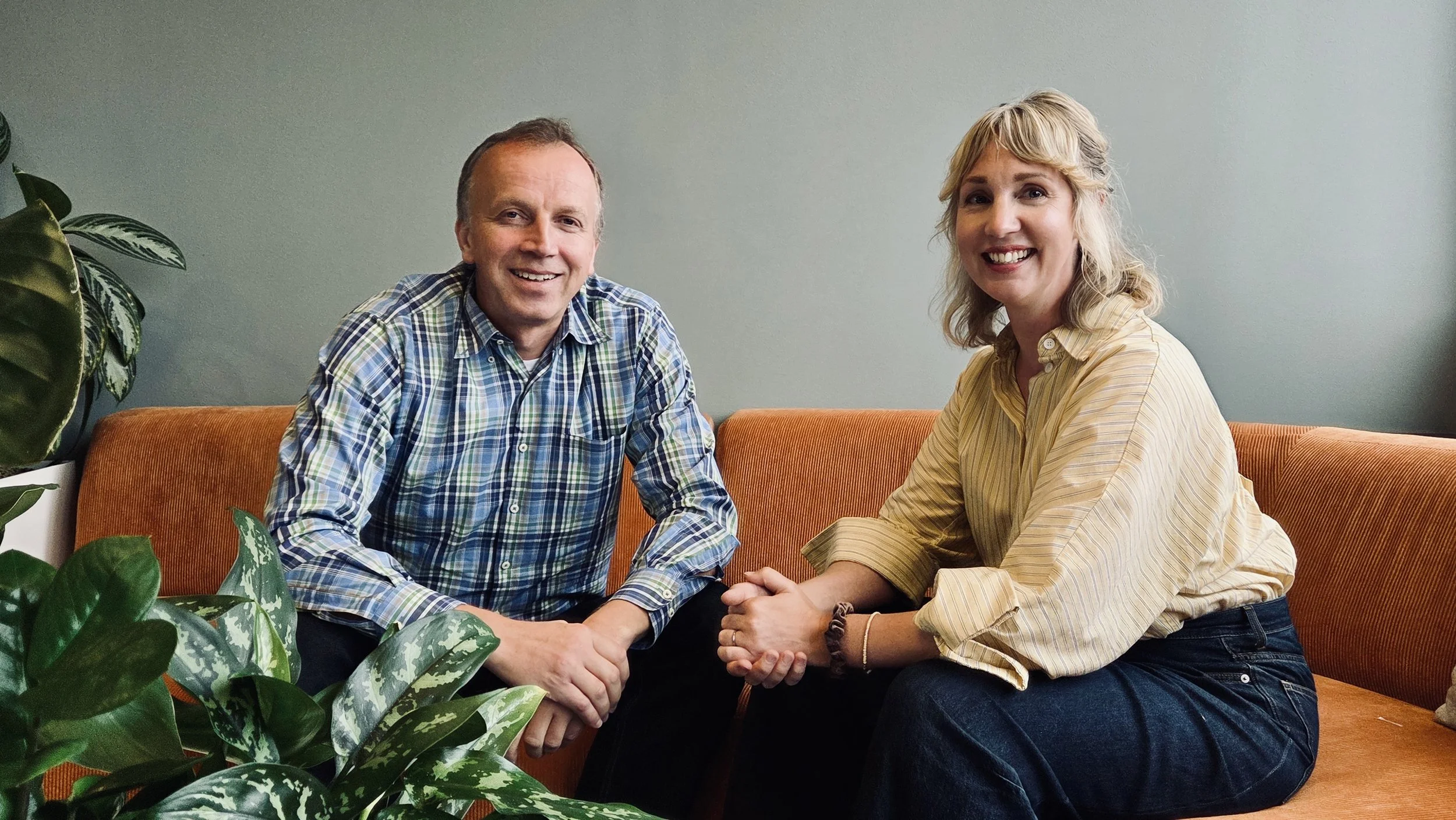
Bjørn Arild Thon, CEO, and Katarina J. Haugersveen, Head of Marketing at RENAS, want to give member companies a fact base for better decisions.
Turning data into decisions
The collaboration is already providing RENAS with a stronger foundation for making decisions. By exploring what RENAS calls Return on Impact, the organisation aims to understand not only what different solutions cost, but where they can deliver the greatest environmental and resource benefits.
For RENAS, this means being better equipped to prioritise research and innovation projects, identify where valuable materials are being lost, and choose recycling methods and treatment partners based on where they can make the greatest positive impact.
The next step is to explore how these insights can create value for RENAS's members. For example, if a company extends the lifespan of its electronic displays by another two or three years instead of replacing them, how much demand for newly extracted metals and minerals could be avoided? And what difference could that make to freshwater use, land use and transport?
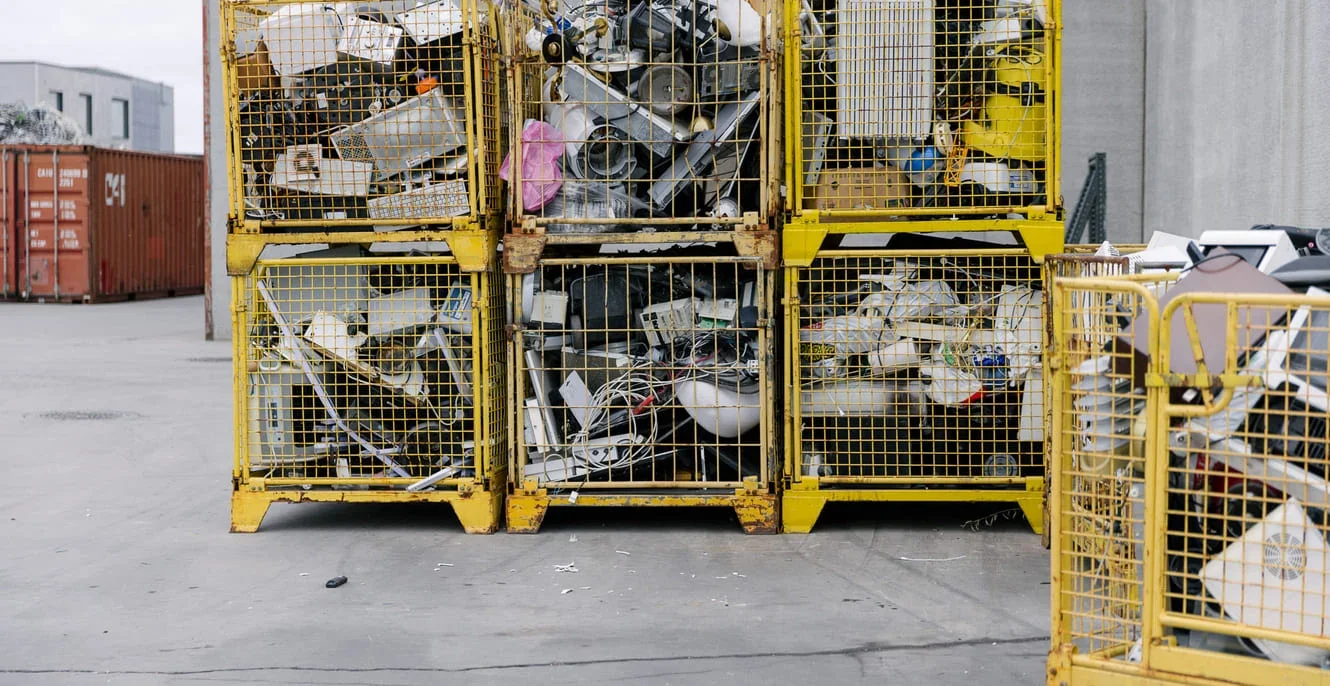
Every bin holds metals that were once mined somewhere. What did it cost the planet to get them here? Photo: RENAS
Material risk belongs alongside price
Over time, RENAS wants to encourage its members to consider material risks, environmental impacts and product lifespan alongside price and regulatory compliance when making business decisions.
Our goal is not simply to give our members more data, but to help them make better decisions. We want to understand where we can make the biggest difference.
— Katarina J. Haugersveen, Head of Marketing
A valuable collaboration
RENAS has greatly appreciated working with Terravera modeller Marius Andersen, whose pragmatic approach and willingness to challenge established thinking have helped open new perspectives on resource management and environmental impact.
The collaboration marks an important step towards turning knowledge about electronic waste and raw materials into practical decisions, with the potential to create greater value for RENAS, its members and society.
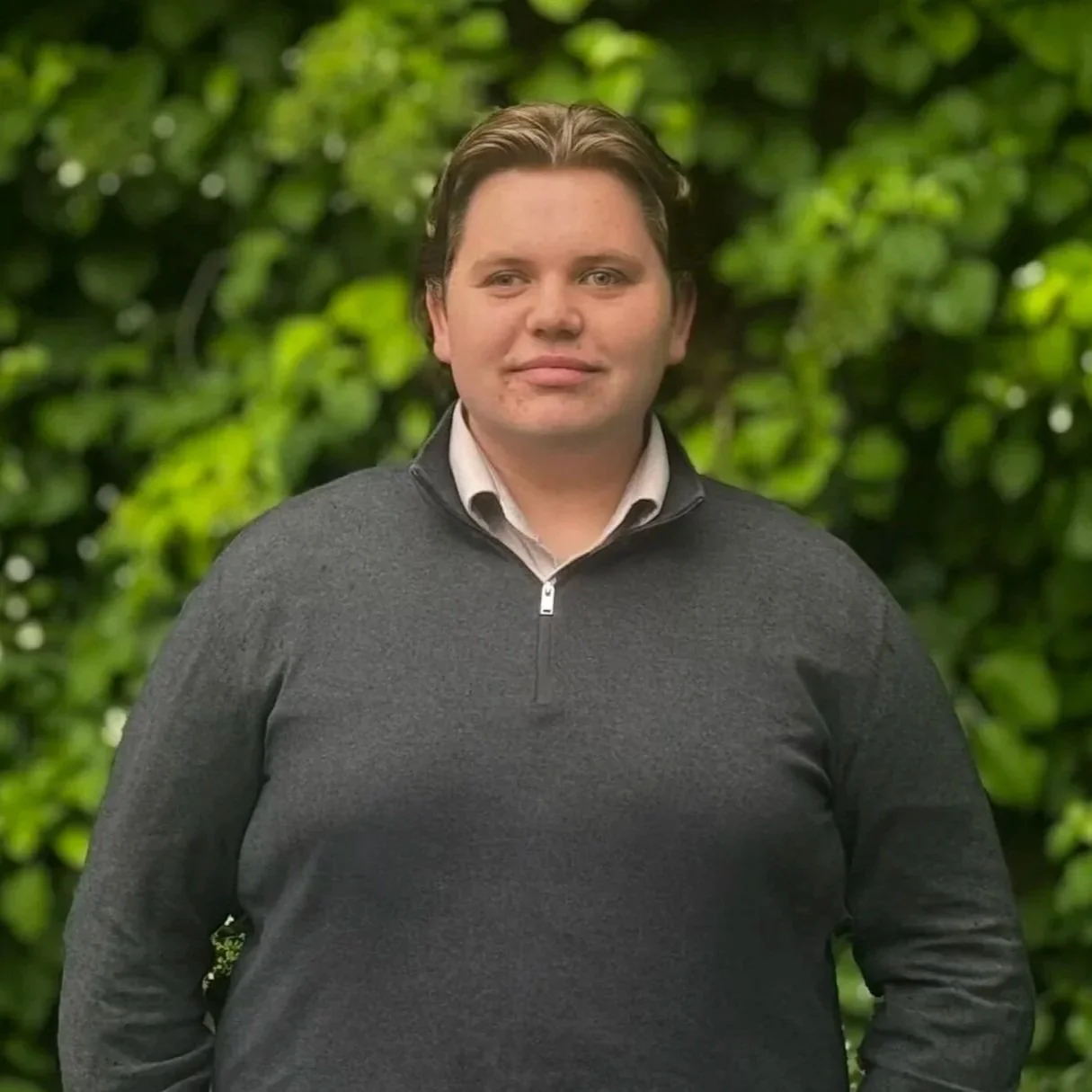
Meet the modeller
Marius Andersen is doing the data modelling for RENAS. Get to know Marius in this article.
