
Terravera collaboration model
From insight to development – step by step
An overview of how we document, develop and apply decision models – a co-creative process with full insight into progress, deliverables and value.
From decision to documented impact
Six steps that take you from a concrete decision to an impact you can document – and improve over time.
-
What decision or challenge are you facing – and what are we trying to improve or understand? We start with your challenge – not with the data.
-
What evidence can document the impact? We combine your operational data with research and life-cycle data.
-
We structure the key drivers, interactions and impacts across the value chain.
-
What happens if we choose A instead of B? Change one assumption and see the consequences before you decide.
-
Climate, nature, resources and economics – compared with a clear baseline, and verifiable by others.
-
Every result becomes the starting point for better decisions next time. The model gets sharper as new data comes in.
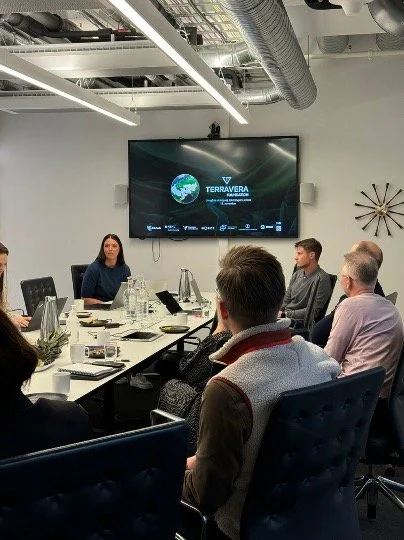
First step
Entry deliverable
A solid, structured start to the collaboration – focused on mapping and overview.
The whole Terravera team involved: project lead and modeller
A dedicated student from our network
A clear, accessible research paper with data, research factors and recommendations
Visibility as an official collaboration partner
This deliverable lays a solid foundation for further collaboration – with insight, a model overview and a recommended direction.
Delivery: about 4 weeks after the kick-off meeting
Next step
Milestone modelling
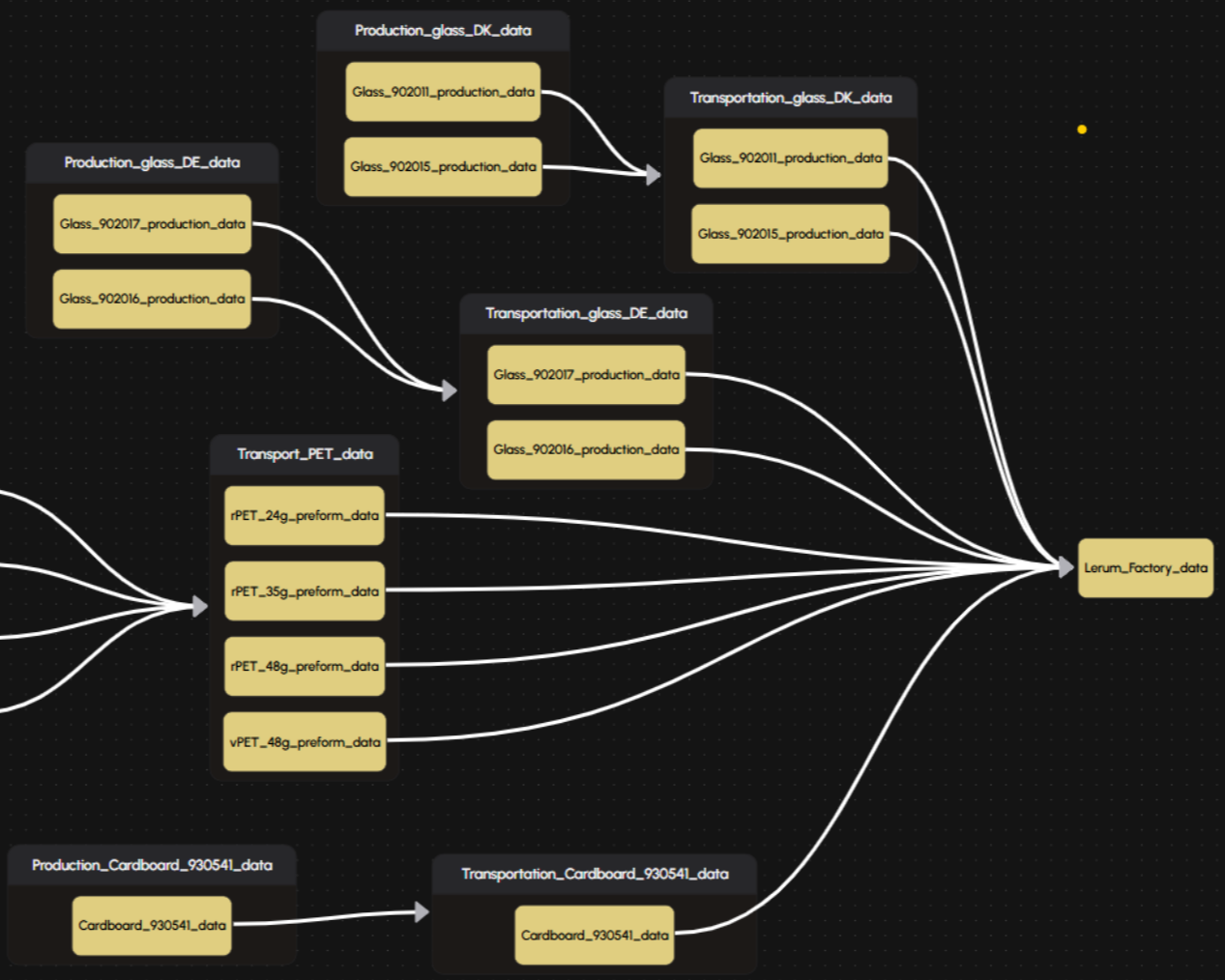
The model is developed over one or more milestones.
More indicators and sustainability variables
Comparison of alternatives and measures
Greater detail as your operational data is added
More context-specific data
Three to seven milestones is typical
We agree the way forward together
After onboarding we agree on direction and pace – matched to your needs and level of ambition.
Delivery: about 4 weeks per milestone
Deliverable
Digital model
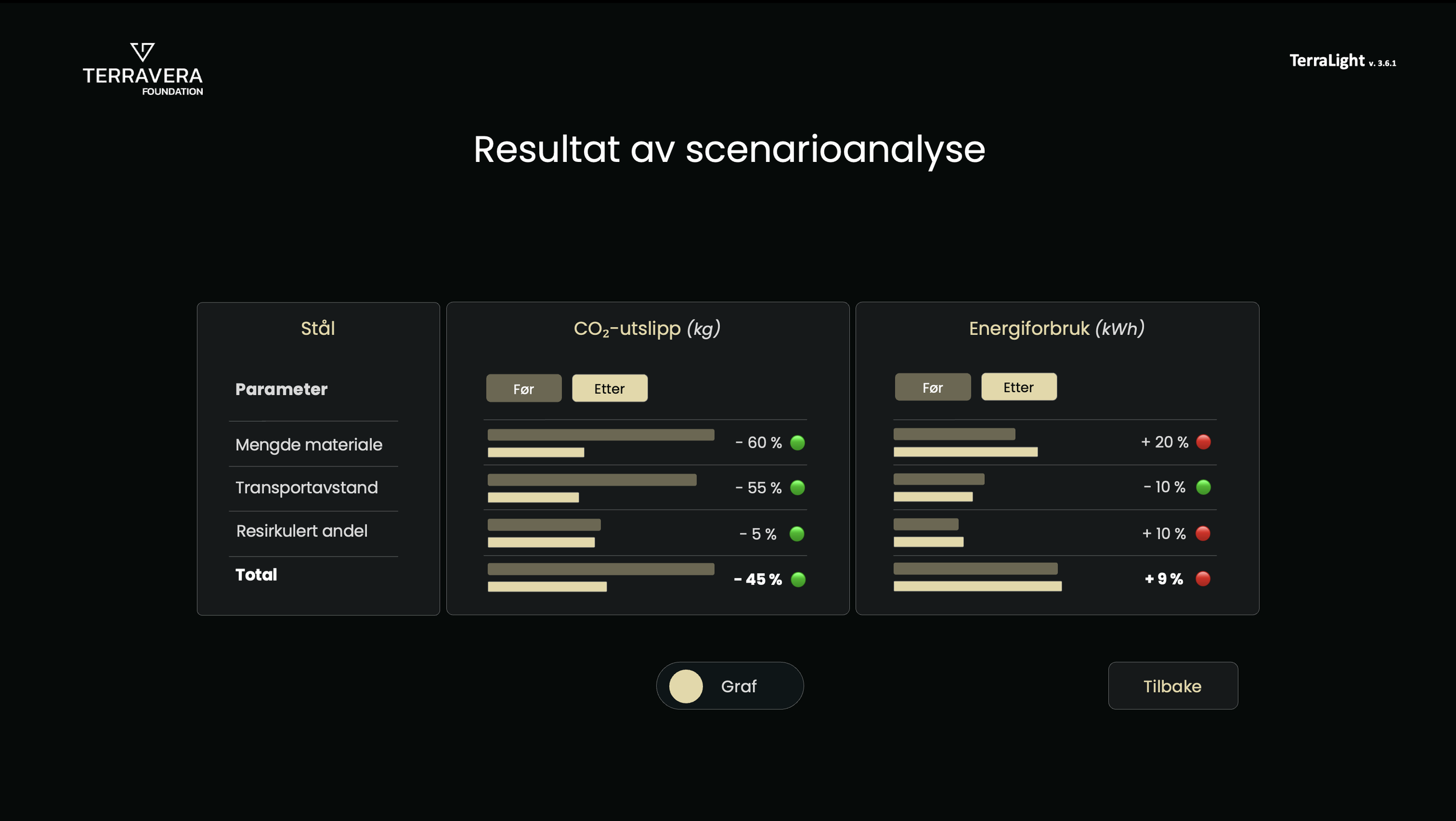
A digital model that documents and visualises green competitiveness through verifiable climate and environmental data.
Documented climate and environmental impact across the value chain
Visualised in TerraLight as a decision basis
A shared, verifiable data foundation for financing, innovation and communication
The result
Documented, comparable figures that strengthen green competitiveness.
Decision-relevant first – precise over time
The model starts decision-relevant and gets sharper with each phase – from early research-based estimates to documented figures.
Screening
Early phase. Factors from research and literature rank the alternatives – with visible uncertainty.
Sharpened
Detailed design. Your operational data is added, and the uncertainty shrinks
Verified
In operation. Measurements calibrate the model – and the next project starts smarter.
Every assessment makes the next one better. Knowledge is reused instead of everyone starting over.
Open method does not mean open data
We share how we calculate – not what you calculate on. What is shared is agreed before we start.
Open – can be verified
Method and model logic
Assumptions and system boundaries
Factors from research – with a named source
Baseline (what would otherwise have happened)
The result – when you agree
Stays with you
Raw operational data
Prices, costs and volumes
Customer and supplier information
Personal data
Anything not explicitly agreed
What is the impact of your choice – or your technology?
Tell us about the challenge you are facing. We’ll show you how it can be modelled – no obligation