
At a time when sustainability is high on the agenda, data-driven modelling can play a key role in helping companies understand and reduce their footprint.
At Terravera, we develop practical, research-based models for sustainability reporting and decision-making.
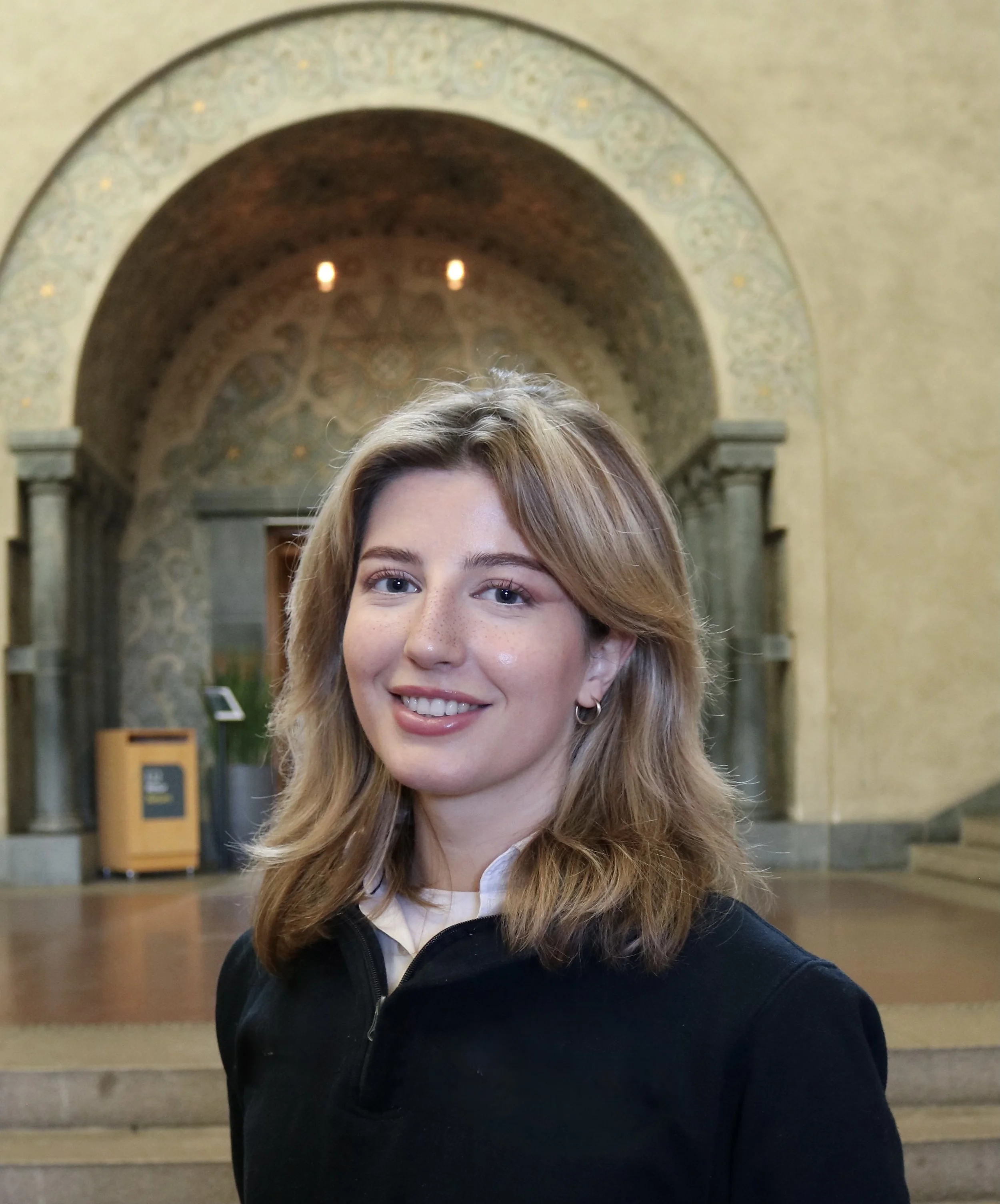
One of our Model Leads, Madelene Stoltenberg, has an exciting background in finance and sustainability reporting, and now uses her expertise to create solutions that make a real difference.
The road to Terravera – sustainability and analytical challenges
With a master’s degree in finance and experience from sustainability reporting and CSRD in several companies, Madelene knew early on that Terravera was a perfect match.

“When I saw the position at Terravera, I knew immediately that I had to apply. It was a perfect opportunity to work on something I am passionate about – sustainability – while challenging myself in modelling and consulting.”
She highlights the need for sustainable solutions as an important source of motivation.
“For both the environment and companies, it is essential to get better insight into their own impact. Being able to contribute to that while developing professionally makes this opportunity extra exciting for me.”
Working together on sustainable solutions
Terravera works closely with different companies to develop data-driven solutions.
“The collaboration starts with the company presenting a question they want to explore. In close dialogue, we refine the question and develop a concrete deliverable based on what we can contribute. The goal is usually to identify concrete, measurable figures linked to the company’s value chain.”

Sustainability is a dynamic field, and in many cases exact figures do not exist. We then use a combination of modelling, academic studies and estimates to give the best possible picture.
Clear communication is key to success
“Clear expectations – both with partners and within the team – are essential for effective collaboration. They give a solid basis for setting goals and judging whether we are on the right track.”

Way of working – from question to model
When she meets a new question, Madelene starts by building a thorough understanding of the whole picture.
Industry analysis and research – making sure the question is seen in a wider context
Concrete goals and data collection – identifying the most relevant factors
Modelling and testing – developing, quality-assuring and iterating the model
She uses Google Scholar, NTNU literature, Excel, internal modelling tools and LaTeX to keep the work rigorous.
Data quality is decisive for the model’s accuracy:
“A model is only as good as its estimates. That is why quality assurance through reliable data, academic references and stress tests is essential.”
Digital tools for structure and further development
Effective digital organisation is key to making models that others can build on.
OneDrive, Teams and Slack – efficient storage and communication
Excel and Terravera’s internal modelling tools – data handling and analysis
PowerPoint and Canva – visual presentation
“When I build models and reports, I always try to set up the work so it is easy for others to understand and use. Good documentation and a logical structure are essential.”
Variety, complexity and real impact

For Madelene, the most rewarding part of the job is the variety of questions and partners:
“I get to use both analytical skills and communication – we work on complex challenges, but it is just as important to share the insight in a way that makes sense to others.”
At the same time, sustainability is a field in constant change, with new requirements, regulations and expectations. That means models and solutions must be flexible and able to adapt to new frameworks.
The future of modelling and sustainability
At Terravera, modelling is not just about numbers – it is about giving companies data-driven insight so they can make better and more sustainable decisions.
Through innovative modelling methods, thorough data collection and close collaboration with industry, we help shape the future of sustainable business models.