
Case
Phosphorus Recycling: Evaluating Sustainable Solutions for Aquaculture and Mining
How can the environmental impact of phosphorus recycling from aquaculture sludge be quantified and compared to conventional mining to support a circular economy?

Challenge
Ragn-Sells faced difficulties in measuring and comparing the CO₂ emissions and environmental footprint of phosphorus recycling processes against traditional mining methods. The lack of standardized data and varying system boundaries complicated the evaluation of sustainability.
How We Collaborate
Together with Ragn-Sells, we developed a tailored model to assess the value chain of phosphorus recycling from aquaculture sludge. By analyzing key stages—such as hydrological pumping, biogas plant processing, and phosphorus extraction—we provided insights into emission sources and sustainability potentials. This collaboration aims to define a data-driven comparison, enabling informed decisions that promote circular solutions in aquaculture.
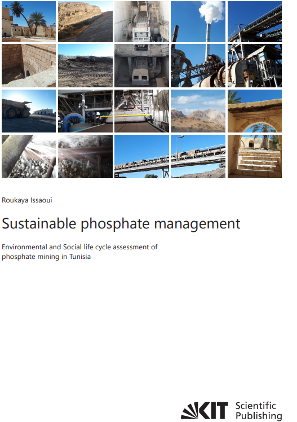


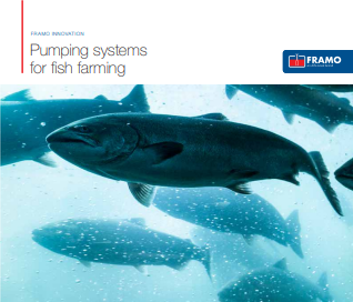
A Research-Based Decision Basis
Leveraging insights from global studies on GHG emissions, biogas systems, and sustainable resource management, we integrate cutting-edge research to enhance data-driven decision-making for sustainable solutions.

Additional Insights
The project integrates findings from existing research, including emission variations in biogas production, shipping transportation, and hydrological pumps. A simplified model of the value chain highlights essential processes, paving the way for more refined sustainability assessments and actionable milestones.
