
Case
Modelling Krill Production: A Research-Based Decision Basis
How can the environmental impact of krill production be minimized while enhancing operational efficiency and reducing CO₂ emissions across its lifecycle?
Challenge
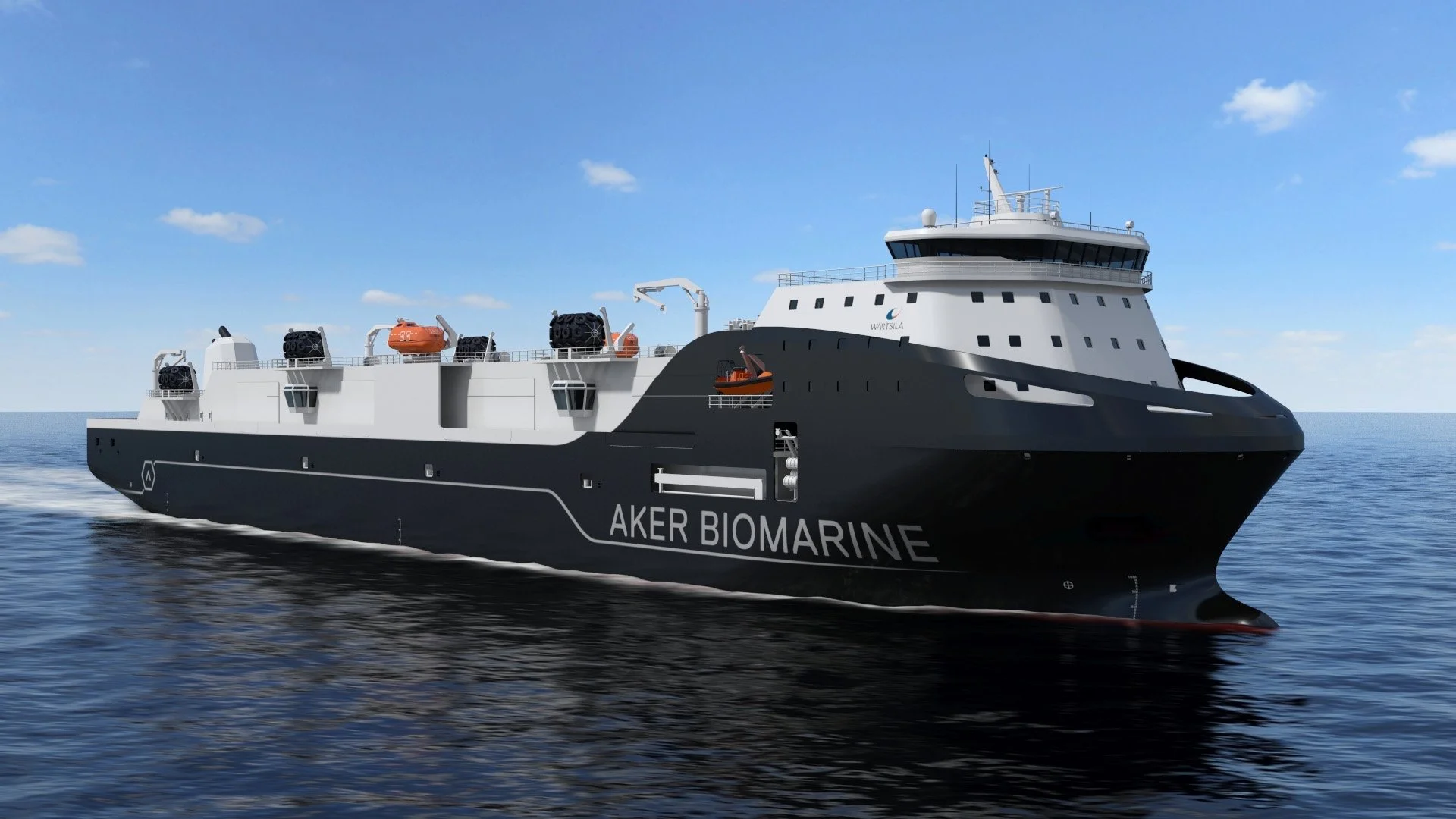
Aker BioMarine sought to better understand how energy consumption, transportation methods, and fuel choices influenced the total environmental footprint of their krill operations. Lacking an integrated tool to visualize and quantify these impacts, they needed a dynamic model to explore the effects of various sustainability strategies and implement improvements at scale.
Impact
We partnered with Aker BioMarine to design and implement a state-of-the-art lifecycle assessment model tailored to their unique operations. This dynamic tool analyzed the entire value chain—from krill harvesting in the Southern Ocean to global distribution—quantifying the effects of energy consumption, transport efficiency, and alternative fuel options.

Through this collaboration, Aker BioMarine uncovered key opportunities to:
Optimize energy usage and reduce unnecessary consumption.
Transition to cleaner fuel alternatives, cutting CO₂ emissions significantly.
Enhance transport logistics for maximum efficiency.
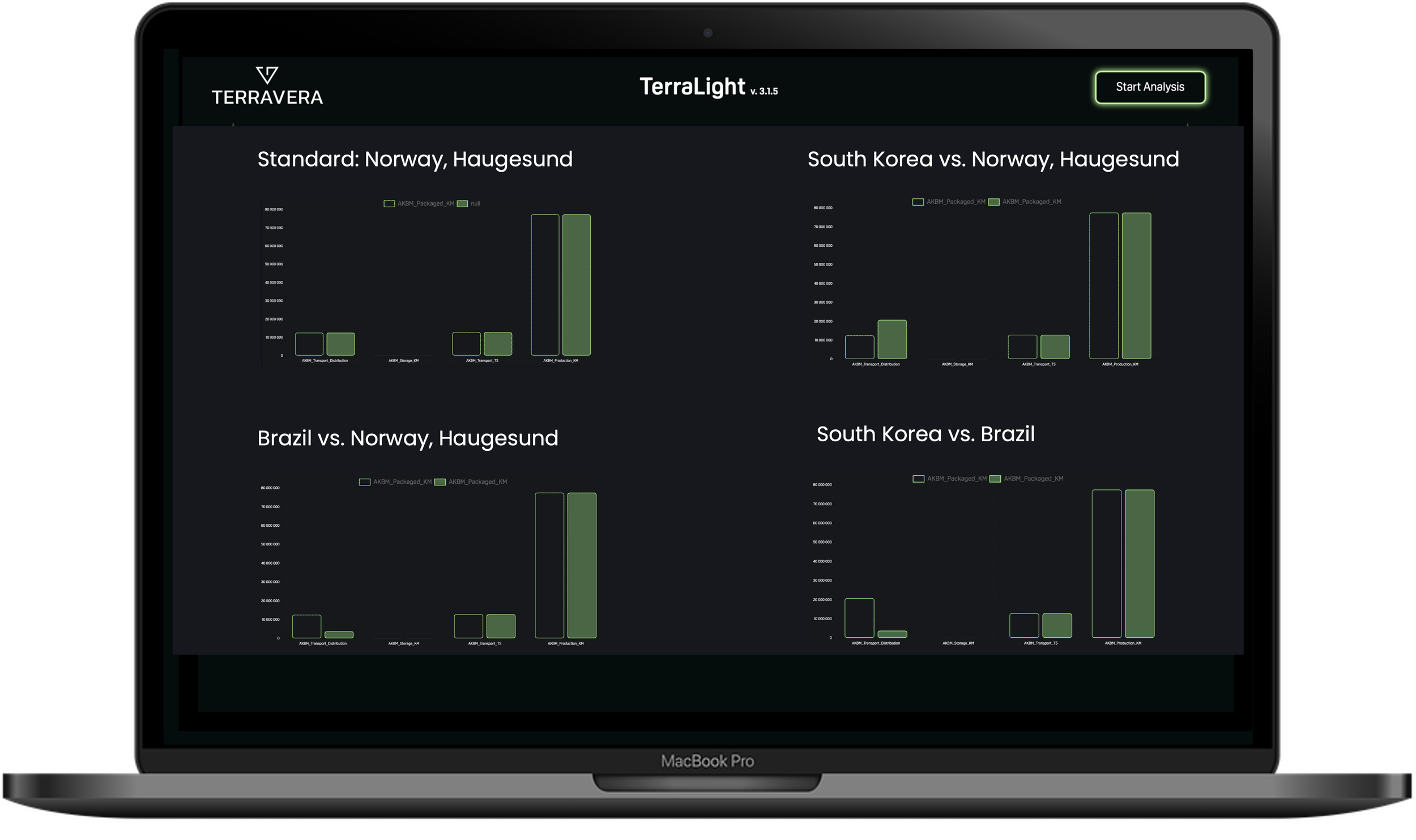
This model didn’t just provide insights—it empowered Aker BioMarine to adopt actionable, long-term sustainability measures that align with their commitment to innovation and environmental stewardship.
